Fabaceae
Legume Family (Pea Family)
Order: Fabales ~750 genera, ~20,000 speciesDefining Characteristics
- Fruit a legume (pod) — a dry, dehiscent fruit splitting along two seams, the single most diagnostic feature of the family
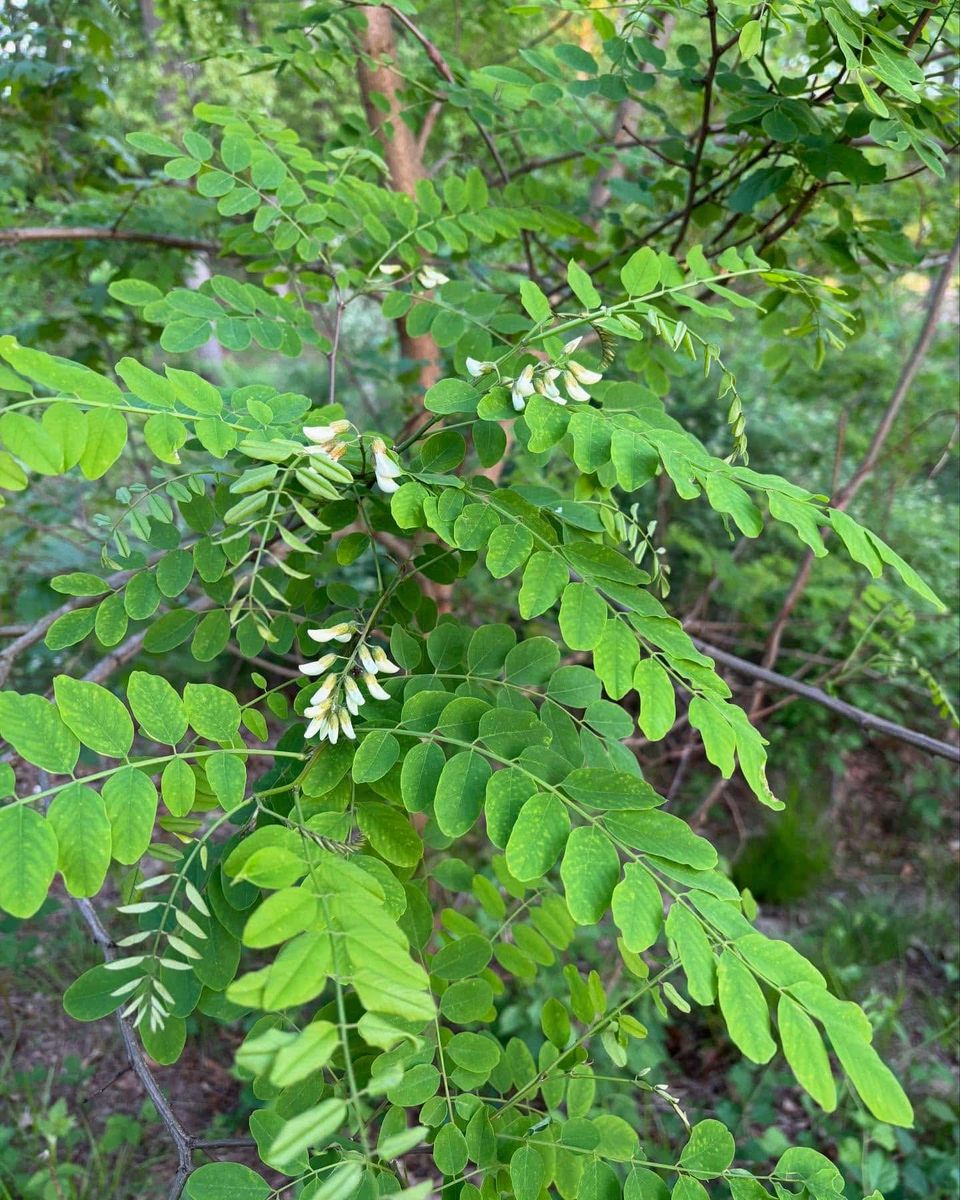
- Leaves usually alternate , compound ( pinnate , bipinnate , trifoliate , or palmate ), with stipules ; many species have pulvini enabling leaf movement ( nyctinasty )
- Flowers often papilionaceous (butterfly-shaped) with 5 petals: a broad standard (banner), 2 lateral wings, and 2 fused lower petals forming a keel — especially in subfamily Papilionoideae
- Stamens typically 10, often diadelphous (9 fused + 1 free)
- Most species form symbiotic root nodules with nitrogen-fixing Rhizobium bacteria, enabling growth on nutrient-poor soils
- Growth forms extremely diverse: herbs, shrubs, trees, vines, and lianas
Notable Genera
- Pisum (pea)
- Phaseolus (common bean)
- Glycine (soybean)
- Arachis (peanut)
- Trifolium (clover)
- Robinia (locust)
- Wisteria (wisteria)
- Acacia sensu lato (acacias)
- Cercis (redbud)
- Medicago (alfalfa)
Notes
Third-largest flowering plant family after Asteraceae and Orchidaceae, and arguably the most important for human agriculture — legumes provide a major share of the world's dietary protein and oil (soybean, peanut, lentil, chickpea, bean, pea). Nitrogen fixation via Rhizobium symbiosis makes legumes key players in crop rotation and soil fertility. The family also includes important timber trees (Robinia, Dalbergia), ornamentals (Wisteria, Cercis, Lupinus), and ecologically dominant species in tropical forests.