Pinaceae
Pine Family
Order: Pinales ~11 genera, ~230 speciesDefining Characteristics
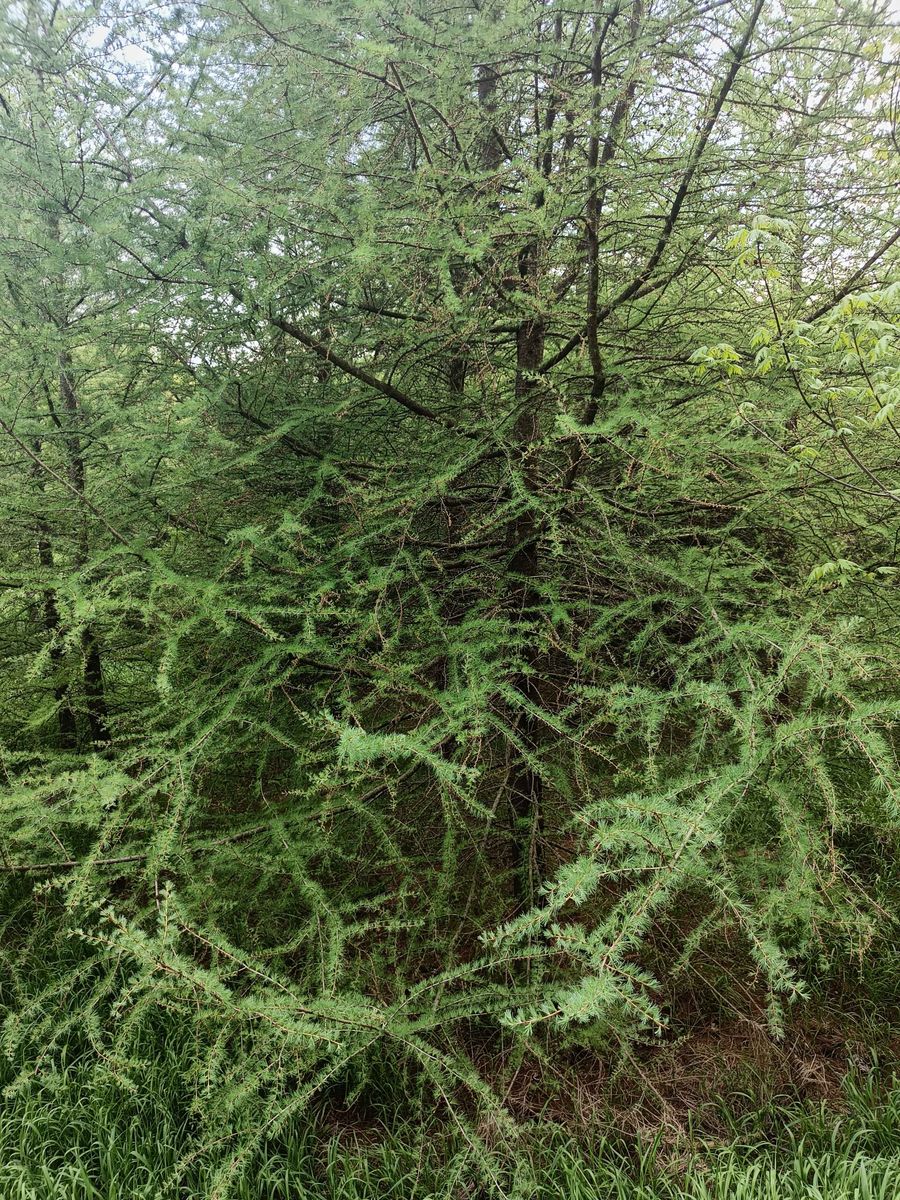
- Needle-like or linear leaves, evergreen in most genera ( deciduous in Larix and Pseudolarix)
- Monoecious — separate male ( pollen ) and female (seed) cones on the same tree
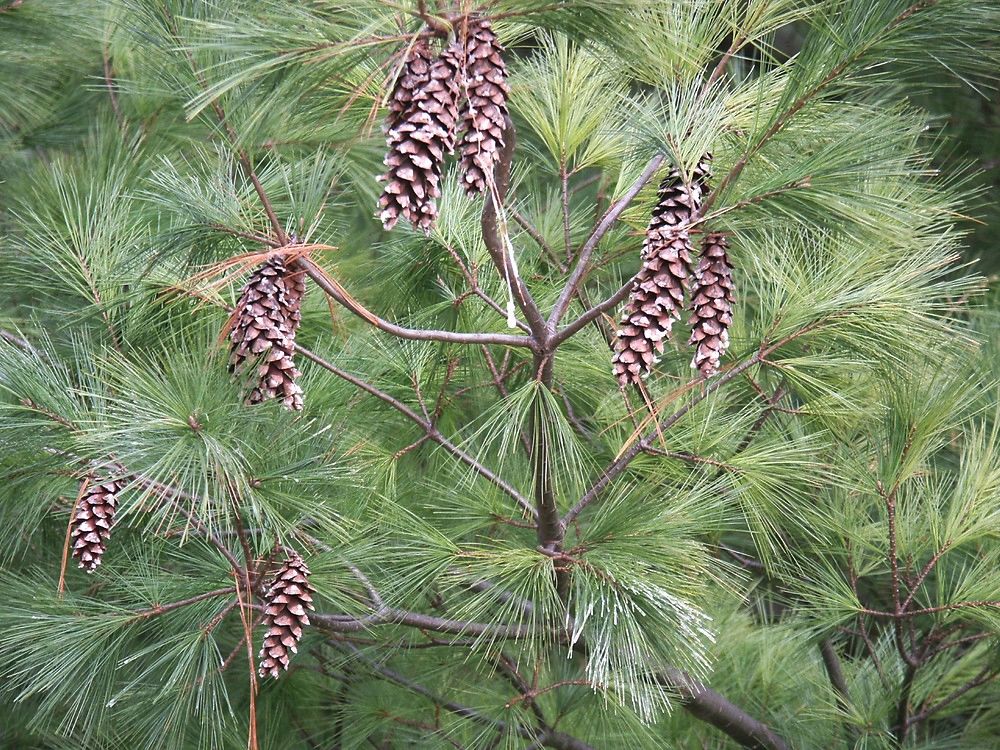
- Woody seed cones with spirally arranged scales, each bearing 2 winged seeds
- Resinous wood and bark; resin canals present in wood, leaves, and cones
- Wind-pollinated; male cones small, soft, and ephemeral; female cones woody and persistent
- Dominant trees of boreal and montane forests worldwide
Notable Genera
- Pinus (pines — largest genus, ~120 species)
- Picea (spruces)
- Abies (firs)
- Larix (larches — deciduous)
- Tsuga (hemlocks)
- Pseudotsuga (Douglas-fir)
- Cedrus (true cedars)
Notes
The most economically important conifer family — dominant source of softwood lumber, pulp, and paper worldwide. Pines also produce turpentine, rosin, and edible pine nuts. Pinaceae species form the backbone of boreal and montane forests across the Northern Hemisphere. Nearly all form obligate ectomycorrhizal associations with fungi. The family includes the world's tallest trees after redwoods (Douglas-fir to 100 m) and some of the longest-lived organisms (bristlecone pine, >4,800 years).