Taraxacum officinale
Taraxacum likely from Arabic tarakhshaqūn or Persian talkh chakok (bitter herb), referring to the plant's bitter taste; some sources derive it from Greek taraxis (disorder) + akos (remedy), alluding to its medicinal use. officinale from Latin officina (workshop, pharmacy), denoting a plant officially recognized in herbalism and sold in apothecary shops.
Common Dandelion
Asteraceae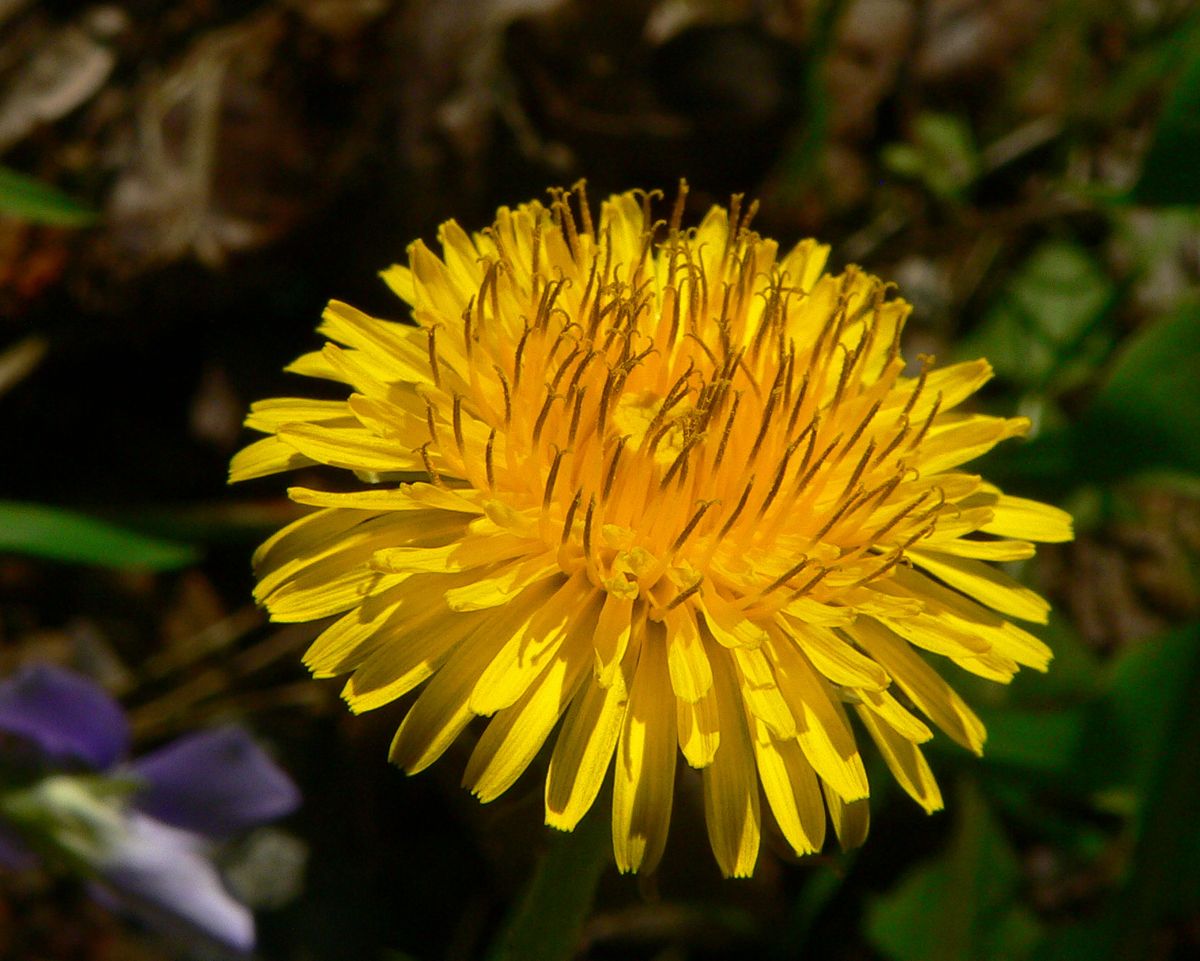
Distinguishing Features
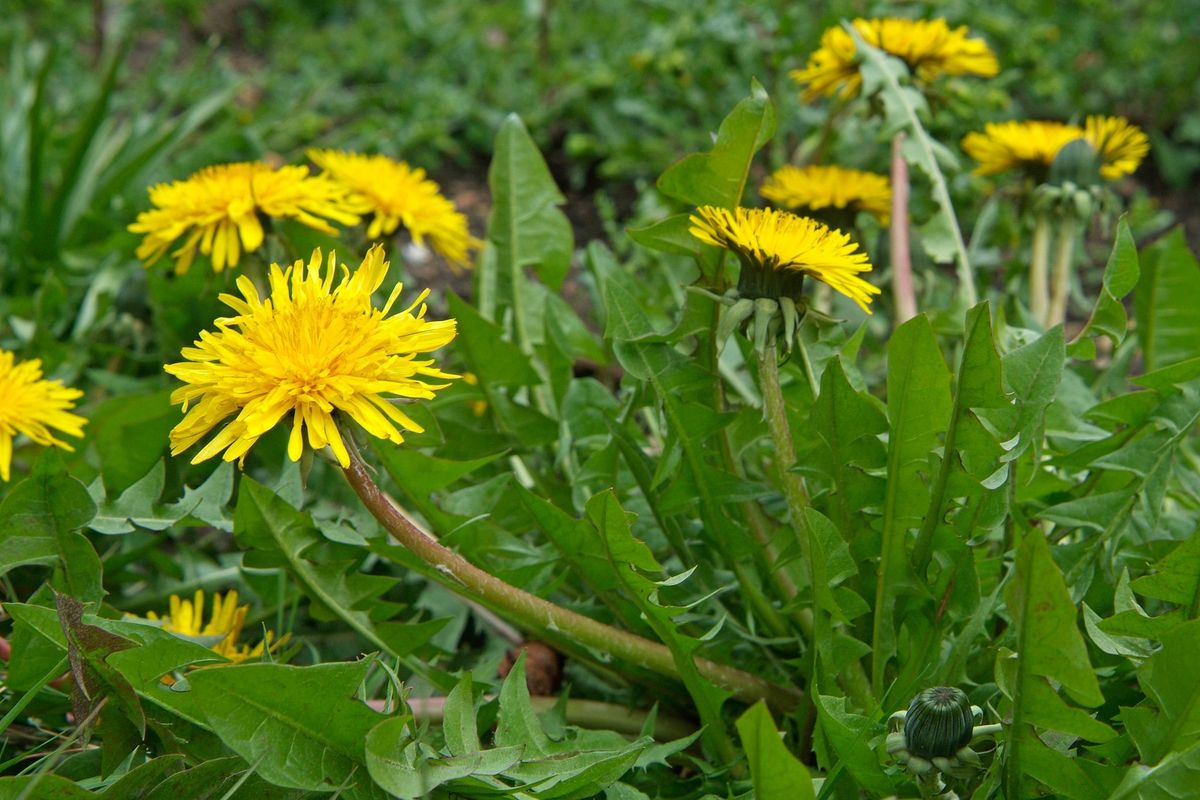
- Bright yellow composite flower head composed entirely of ray florets ( ligulate ), no disc florets — borne singly on a leafless, hollow scape
- Rosette of deeply lobed (runcinate) basal leaves with backward-pointing triangular teeth, giving the plant its common name (French dent-de-lion = lion's tooth)
- Hollow, unbranched stem (scape) exuding milky white latex when broken
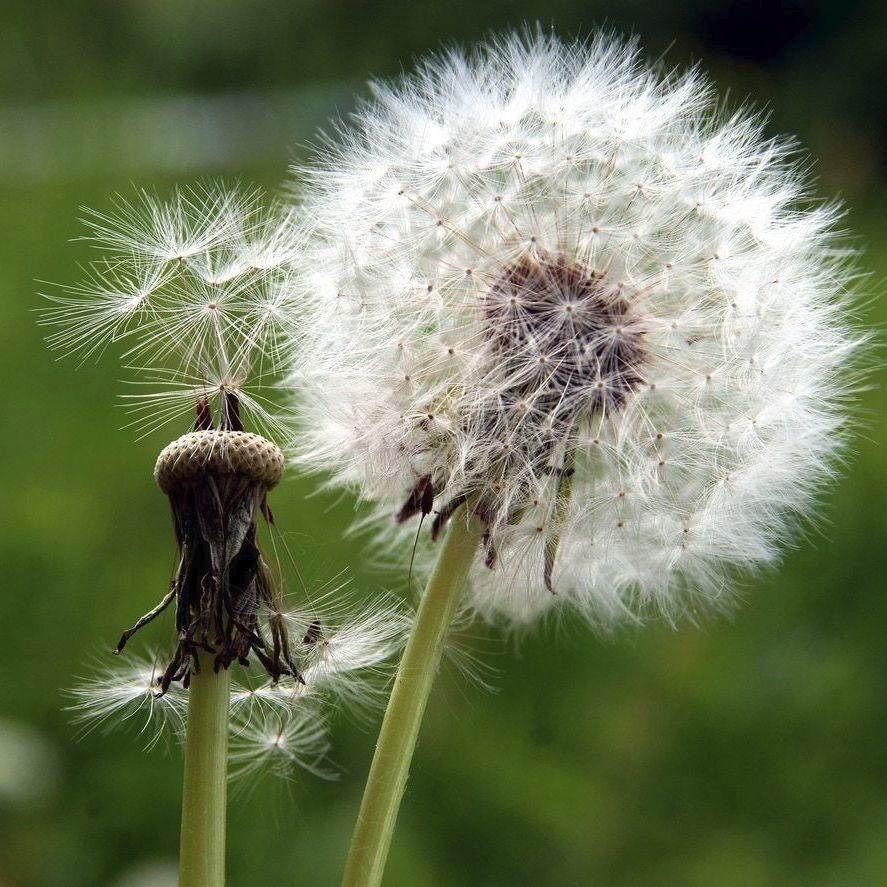
- Globular seed head (clock) of cypselas , each with a feathery pappus enabling wind dispersal
- Thick, fleshy taproot , dark brown outside, white inside, capable of regeneration from small root fragments
Habitat
Lawns, gardens, meadows, roadsides, disturbed ground, pastures, waste places, sidewalk cracks. Thrives in full sun to partial shade on a wide range of soils. Ubiquitous in temperate regions.
Notes
The entire plant is edible: young leaves for salads and cooking (rich in vitamins A, C, K, and minerals), roots roasted as a coffee substitute, and flowers used for wine and fritters. An important early-season nectar and pollen source for bees and other pollinators. Reproduces primarily by apomixis (asexual seed production), resulting in numerous microspecies. One of the most recognizable and widespread wildflowers in the world.