Spiraea × vanhouttei
Spiraea from Greek speira (wreath, coil), referring to the showy clusters of flowers that can be used in garlands. vanhouttei honoring Louis Benoit Van Houtte (1810–1876), prominent Belgian horticulturist and nurseryman who introduced many ornamental plants to cultivation.
Vanhoutte Spirea
Rosaceae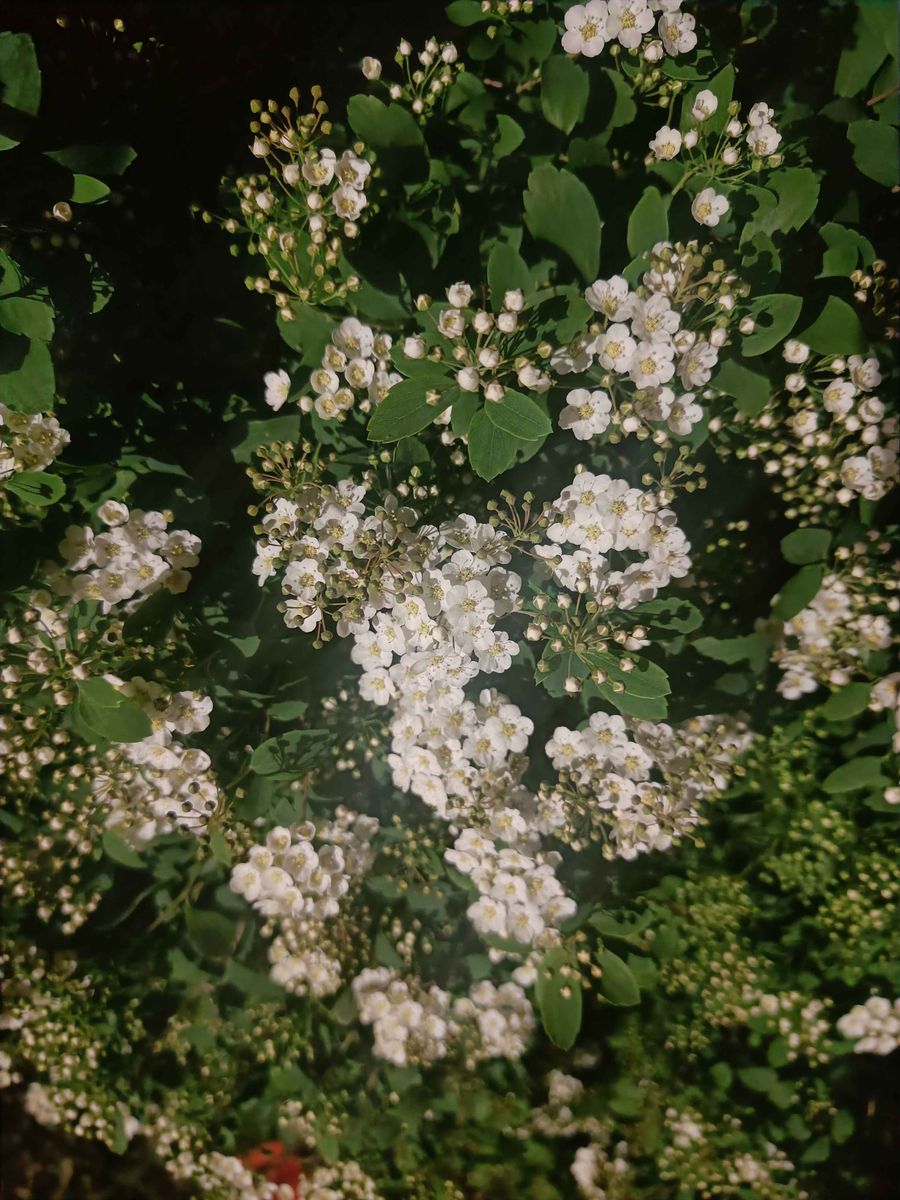
Distinguishing Features
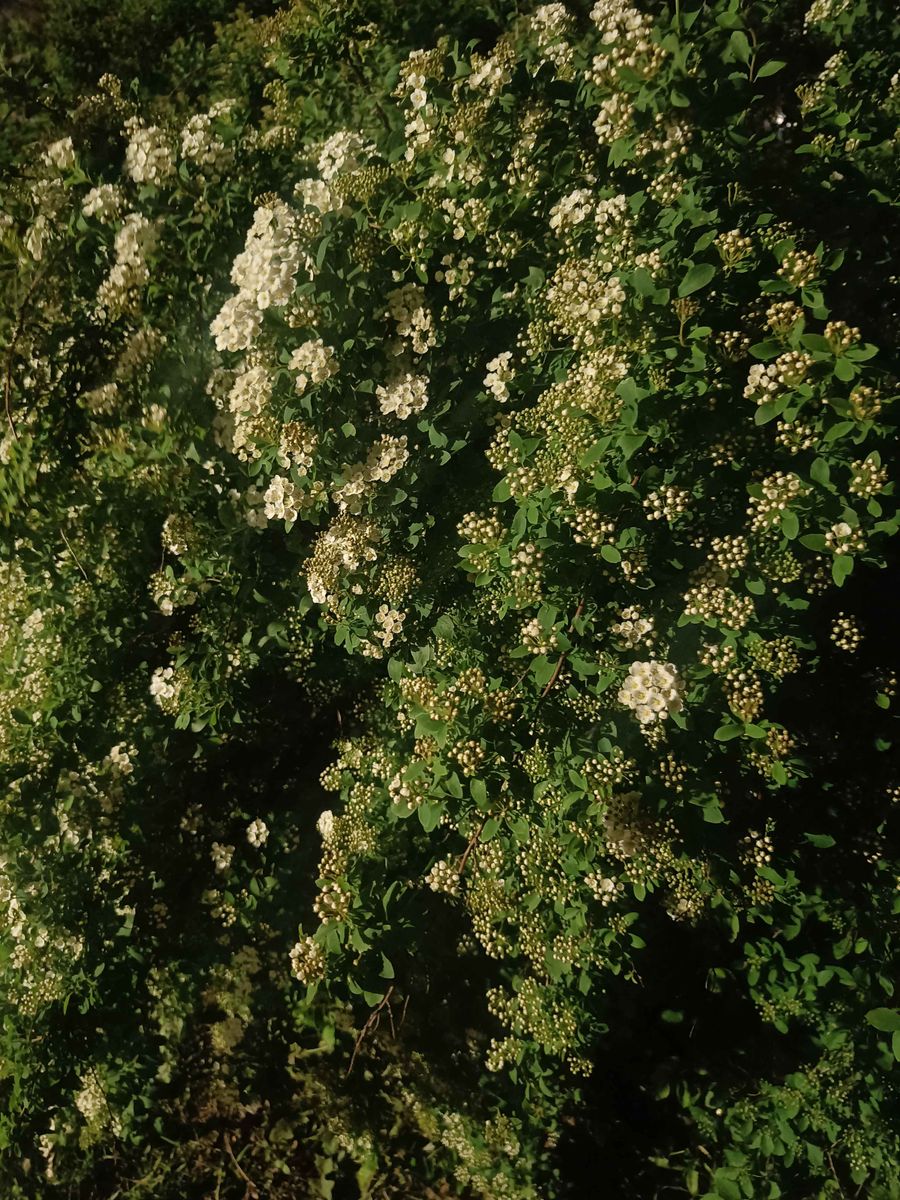
- Deciduous shrub with a graceful, vase-shaped to fountain-like habit, 1.5–2.5 m tall and equally wide, with long arching branches that sweep toward the ground
- Leaves small (2–4 cm), rhombic (diamond-shaped) to obovate, coarsely toothed to slightly 3–5 lobed , blue-green above, paler beneath; may turn dull orange-purple in autumn
- Flowers white, small (6–8 mm across), 5-petalled, borne in dense, rounded umbel -like corymbs along the entire length of the previous year's branches — so profuse they can completely obscure the foliage
- Blooms on old wood (previous year's growth); pruning should be done immediately after flowering to preserve next year's buds
- Fruit a small follicle , inconspicuous, not ornamentally significant
- Hybrid origin: Spiraea trilobata × Spiraea cantoniensis, first raised in cultivation around 1862
Habitat
Cultivated in gardens, parks, hedgerows, and foundation plantings throughout temperate regions. Occasionally escaping to roadsides and woodland edges. Tolerates a wide range of soils and full sun to partial shade.
Notes
One of the most widely planted ornamental shrubs in North America and Europe, often called 'bridal wreath spirea' for the cascade of white flowers. Extremely hardy and low-maintenance once established. Sometimes confused with Spiraea prunifolia (also called bridal wreath), which has double flowers and a more upright habit. Can become leggy if not periodically rejuvenated by hard pruning after flowering.