Matteuccia struthiopteris
Matteuccia named in honour of Carlo Matteucci (1811–1868), an Italian physicist. struthiopteris from Greek strouthion (ostrich) + pteris (fern), as the tall, elegant fronds resemble ostrich plumes.
Ostrich Fern
Onocleaceae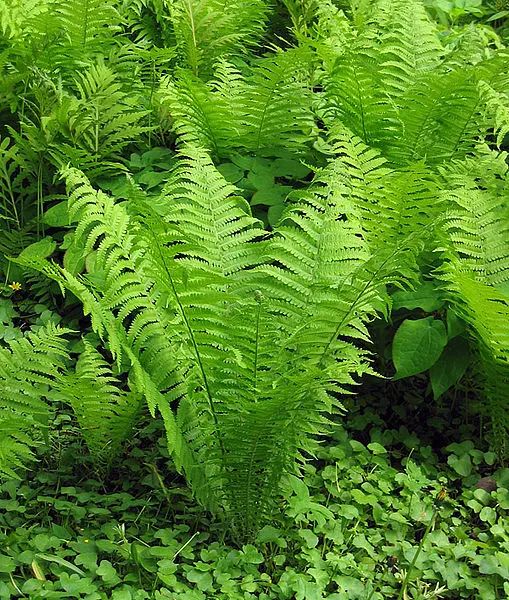
Distinguishing Features
- Tall, vase-shaped crown (shuttlecock form) of sterile fronds reaching 100–180 cm
- Sterile fronds pinnate , tapering to a narrow base — broadest near the middle, narrowing sharply toward the stipe
- Separate, shorter, persistent dark brown fertile fronds emerge from the centre of the crown in late summer
- Fiddleheads tightly coiled in spring with papery brown scales — the classic edible fiddlehead
- Deeply grooved stipe (stem) with a U-shaped channel on the inner face
- Spreads by underground stolons, forming colonial clusters
Habitat
Moist floodplains, stream banks, alluvial terraces, and rich moist woods. Prefers shade to partial shade with consistently moist, fertile soil.
Notes
Source of the commercially harvested fiddlehead — a spring delicacy in eastern Canada and the northeastern United States. Fiddleheads must be thoroughly cooked before eating to avoid gastrointestinal illness. Only this species' fiddleheads are considered safe; other fern species may be carcinogenic.
Tags
Biogeography
Life Form
Phenology
Habitat
Vegetative Strategy
Ethnobotany