Artemisia vulgaris
Artemisia from the Greek goddess Artemis, patron of women and the hunt — plants in this genus were historically used in women's medicine. vulgaris from Latin vulgaris (common), indicating its widespread occurrence.
Mugwort
Asteraceae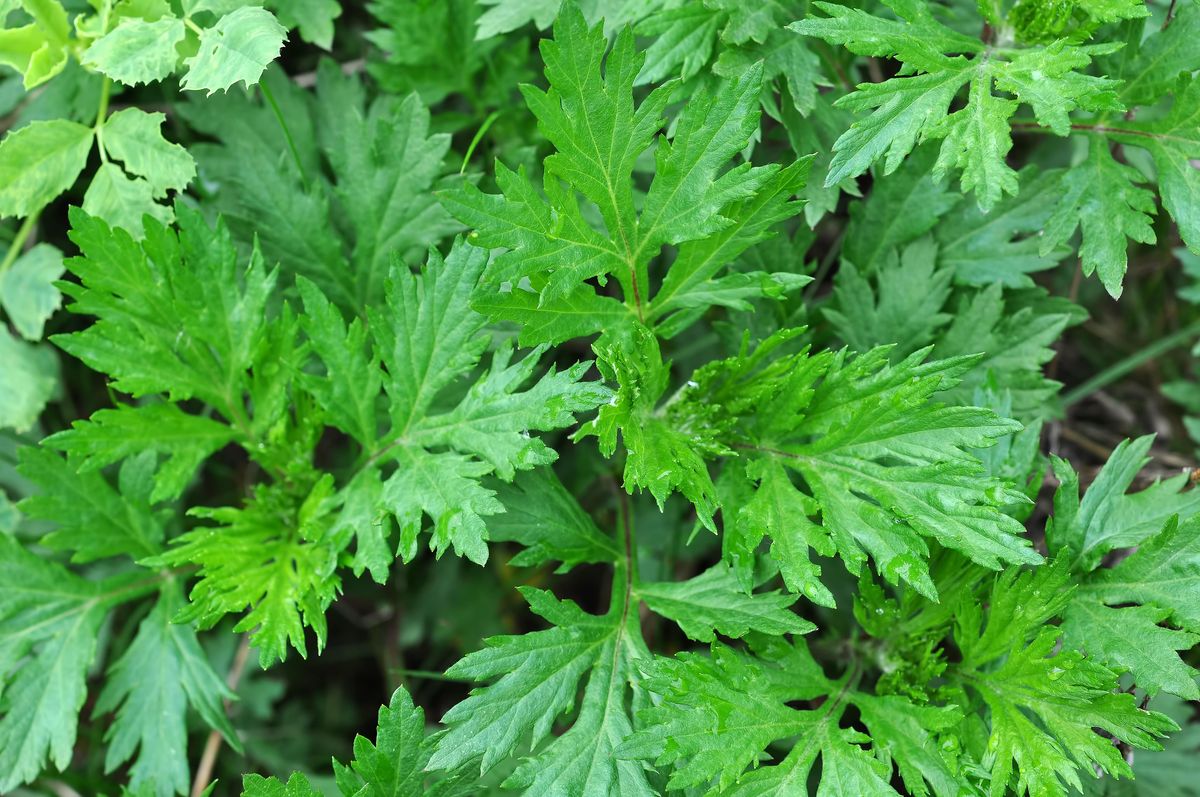
Distinguishing Features
- Deeply pinnately lobed leaves, dark green above with dense silvery-white woolly hairs beneath
- Stems erect, 60–180 cm tall, often tinged reddish-purple
- Numerous small, inconspicuous flower heads in dense branching panicles
- Strongly aromatic when crushed — sage-like to bitter scent
- Tough, spreading rhizomes forming dense clonal stands
- Leaves alternate , variable in shape from deeply dissected (lower) to nearly entire (upper)
Habitat
Roadsides, waste areas, gardens, vacant lots, and disturbed ground. Thrives in full sun on well-drained soils but tolerates a wide range of conditions.
Notes
Used in traditional medicine and moxibustion (traditional Chinese medicine). A major cause of late-summer pollen allergies. Highly invasive, forming dense stands that crowd out native vegetation. Nearly impossible to eradicate once established due to its extensive rhizome network and abundant seed production.
Tags
Biogeography
Life Form
Phenology
Vegetative Strategy
Ethnobotany