Acer negundo
Acer from Latin acer (sharp), likely referring to the hard wood once used for spear shafts. negundo borrowed from a Sanskrit or Hindi name for the chaste tree (Vitex negundo), whose leaves resemble those of box elder.
Box Elder
Sapindaceae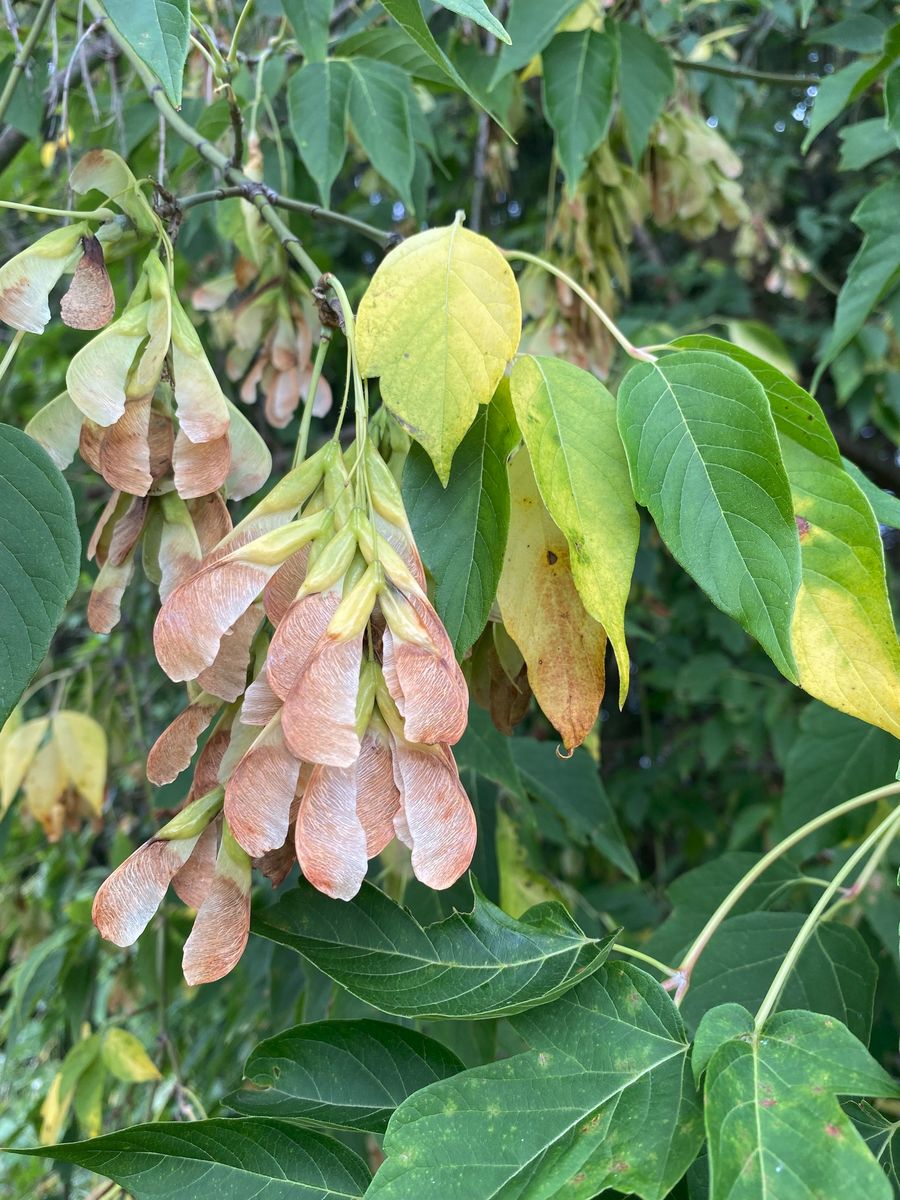
Distinguishing Features
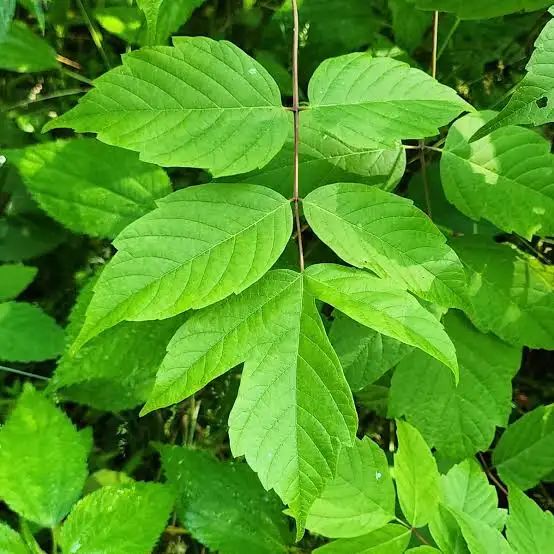
- Pinnately compound leaves with 3–5 (sometimes 7) leaflets — the only maple with compound leaves
- Young twigs bright green, often with a whitish-blue waxy bloom
- Paired samaras in drooping clusters, persisting into winter
- Dioecious — male and female flowers on separate trees (uncommon for maples)
- Fast-growing with an irregular, often messy crown; frequently multi-trunked
- Bark pale gray, thin, with shallow interlacing ridges on older trunks
Habitat
Floodplains, stream banks, disturbed areas, urban lots, roadsides, and woodland edges. Tolerates poor soils, drought, and urban conditions. Full sun to partial shade.
Notes
Often considered a weedy tree due to fast growth, brittle wood, and prolific seeding, but valuable for quick shade and wildlife. Box elder bugs (Boisea trivittata) are closely associated with this species. Sap can be tapped for syrup, though sugar content is lower than sugar maple.
Tags
Biogeography
Life Form
Phenology